Why CBE?

Rethinking waste. Re-engineering nutrient circularity. Regenerating Africa.

01
The challenge

The challenge of our linear system

Our current food system is largely linear—designed around “take, make, consume, and discard.” As a result, nutrients that could regenerate soils and nourish communities are not only lost, but also end up polluting the environment, including aquatic ecosystems.

Food and Soil Challenges

Soil degradation, declining productivity and low nutrient use efficiency threaten food security and farmer livelihoods.

Sanitation and Waste Challenges

Billions lack safely managed sanitation while organic waste is a missed opportunity for regeneration.

Environmental Impact

Nutrient loss drives pollution, greenhouse gas emissions and climate vulnerability.

What is CBE

Keeping nutrients and carbon in circulation.

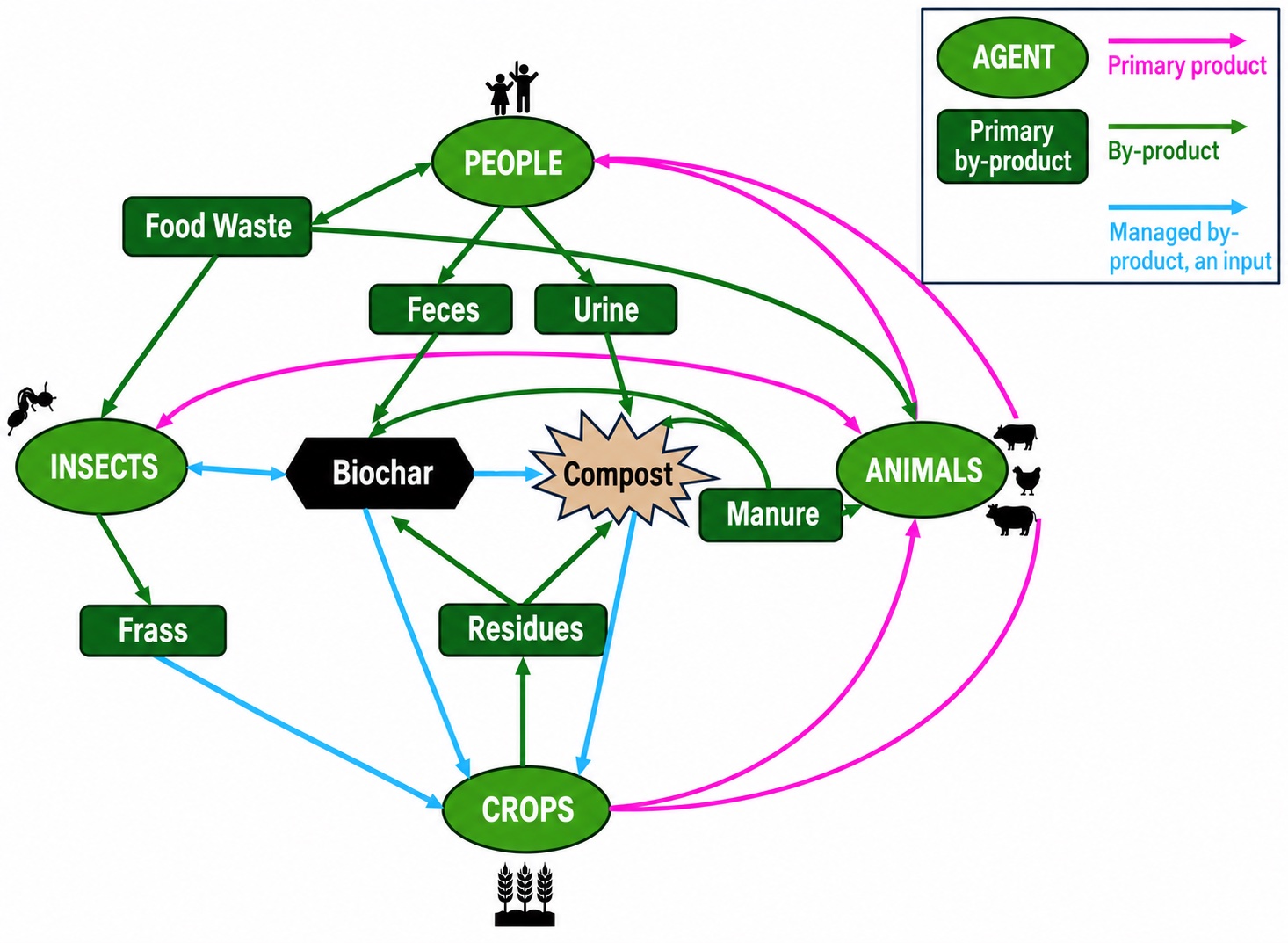
CBE keeps nutrients and carbon in circulation – from soil to food, to people and back to soil – powering productivity, restoring ecosystems and strengthening communities.

02
Why now

What is CBE and why is it important now?

With volatile fertilizer markets, soil degradation, sanitation gaps, and climate urgency in Africa, CBE offers a timely pathway to regenerate soils, boost food security, cut synthetic input dependence, and improve public health by safely redirecting nutrients and carbon from organic waste streams back to farms.

CBE recirculates nutrients and carbon from human excreta, food waste, crop residues and agro-industrial byproducts back into the soil, replacing take-make-dispose with regenerate-nourish-repeat.

03
Get involved

Ways to engage

Register to attend

Become a partner or sponsor

Exhibit or showcase

Share knowledge and evidence

Join the network

Early registration opens soon. Join the network and stay updated.